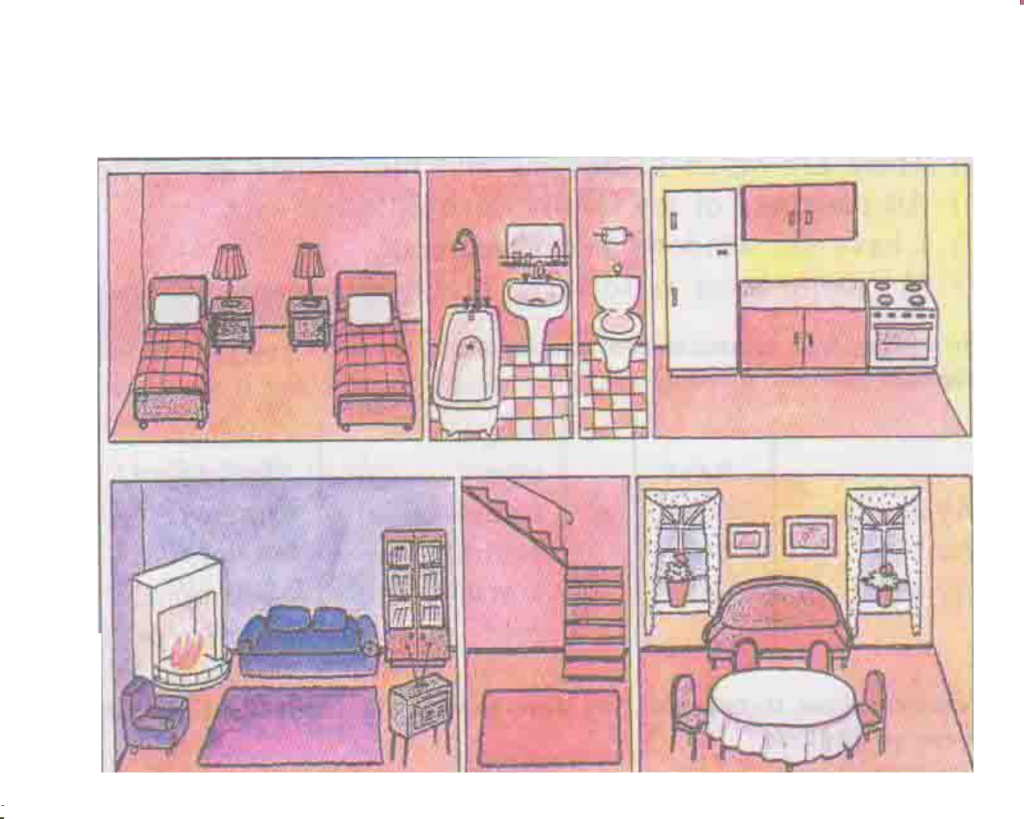
This is my house, my house have a sleeping room, bathroom, living room, kitchen .
my in sleeping room have a two beds, in bathroom have a krant to wash hands, bath and toilet, in kitchen have a fridge, oven, in living room have a soft seat, tv and cover
Պատմիր քո տան մասին/ տեսանյութով/, պատասխանելով հարցերին
Where do you live? in house
Do you live in a flat or in a house? im living in a house
How many rooms are there in your house, flat? two rooms
What do you have in your living-room, kitchen, bathroom and bedroom? in sleeping room have a two beds, in bathroom have a krant to wash hands, bath and toilet, in kitchen have a fridge, oven, in living room have a soft seat, tv and cover
Do you have a garden in front of your house, flat? i dont have a garden in house
Բառեր, որոնք կօգնեն քեզ նկարարել քո տունը
Large, small, fireplace-բուխարի,, in the corner- անկյունում, comfortable, cosy, beautiful, warm, cold, in the middle- մեջտեղում, in front of- առջևում, stove-գազօջախ, cupboard- պահարան, wardrobe- զգեստապահարան, sink- լվացարան, tap- ծորակ, carpet- գորգ, lovely, quiet- հանգիստ
Հիշել՝ Many – much- շատ
Many- օգտագործում ենք հաշվելի գոյականների հետ՝ table, chair, book, pen, / դրանք այն գոյականներն են, որոնց կարելի է հաշվել
Much- օգտագործում ենք անհաշվելի գոյականների հետ՝ sugar, water, rice, hair/դրանք այն գոյականներն են, որոնց հնարավոր չէ հաշվել, կարող են հաշվել միայն կիլոգրամներով, շշերով, կտորներով և այլն/
Վերջում համարյա երկինքի տակ, ծնվեցին ջրի կաթիլները։ Նրանք լեռների բարձրից, հողի միջից դուրս եկան ու․ լույսն իրենց վար, ծառերի կողքերով, թփերի արանքներով, զարմացան խատուտիկ խճաքարերի վրայով գալիս էին կաթիլները։
Հետևյալ բառաշարքում լրացրո՛ւ տառերը՝ գ, կ, թե՞ ք. բանուգ, բարակ, վարակիչ, վար…աբեկել Հուշում: Բառերն արտագրի՛ր նույն հերթականությամբ, անջատի՛ր ստորակետերով և բացատով:
1. Հետևյալ բառերից դո՛ւրս գրիր նույն արմատն ունեցող բառերը: մտահոգ, հոգեբան, ոգեղեն, օգնական, ոգելից, հանրօգուտ Հուշում: Նախ գրի՛ր արմատը, գծի՛կ դիր, հետո գրի՛ր բառերը նույն հերթականությամբ, իրարից անջատի՛ր ստորակետերով, պահպանի՛ր բացատները:
1. Հետևյալ նախադասության մեջ ավելացրո՛ւ համապատասխան բառը և վանդակում գրի՛ր : մեծահոգի, փոքրոգի Պուճուրոգի մարդը ներում է մարդկանց:
1.Հետևյալ բառերի բաց թողած տեղերում գրի՛ր համապատասխան տառը՝ բ, պ, փ փրփուր, կափարիչ, սպրթնել, փապագ: Հուշում: Բառերն իրարից անջատի՛ր ստորակետով և բացատով:
Հետևյալ բառերից ընտրի՛ր նախադասության մտքին համապատասխանող բառը՝ ամբաստանել, բամբասել: Այդ կինը սիրում էր բամբասել հարևաններից, ազգականներից:
Հիսուսն ապրեց ու դաստիարակվեց Նազարեթ քաղաքում: Նա մեծացավ, հոգով զորացավ և իմաստությամբ լցվեց: Ամեն տարի` Զատկի տոնին, նրա երկրային ծնողները Երուսաղեմ էին գնում: Երբ Հիսուսը տասներկու տարեկան դարձավ, նրան իրենց հետ տարան: Տոնից հետո, երբ տուն էին վերադառնում, պատանի Հիսուսը Երուսաղեմում մնաց: Ծնողները` Մարիամն ու Հովսեփը, չնկատեցին այդ և մտածեցին, որ մյուս ազգականների հետ է գնում: Սակայն քիչ անց սկսեցին փնտրել իրենց որդուն: Երեք օր հետո նրան գտան տաճարում` վարդապետների հետ նստած: Տղան լսում ու հարցեր էր տալիս նրանց, ու բոլոր ներկաներին զարմացնում էին նրա իմաստությունն ու պատասխանները: Հիսուսի մայրը զարմացավ, որ իր հնազանդ որդին տաճարում էր մնացել առանց իրեն նախազգուշացնելու:
2․
3․ Բնագրիցդո՛ւրս գրիր հոգնակի թվով գործածված 5 բառ
Մեղուներ (լատ.՝ Anthophila), Apoidea վերնաընտանիքի թռչող միջատների խումբ։ Սերտ կապված են կրետների և մրջյունների հետ։ Մեղուներին ուսումնասիրող գիտությունը կոչվում է մեղվագիտություն։ Գոյություն ունեն մեղուների մոտ 21 հազար տեսակ և 520 ցեղ[1]։ Տարածված են բոլոր մայրցամաքներում, բացառությամբ Անտարկտիդան։ Մեղուները սնվում են նեկտարով և ծաղկեփոշով․ նեկտարը առաջին հերթին օգտագործում են որպես էներգիայի աղբյուր, իսկ ծաղկեփոշին՝ սպիտակուցներ և այլ սննդանյութեր արտադրելու համար։ Մեղուները համարվում են շատ խելացի միջատներ։ Ունեն միայն մեկ էգ մեղու, որը կոչվում է թագուհի մեղու։
Bees (Latin: Anthophila), a group of flying insects of the Apoidea family. They are closely related to moths and ants. The science that studies bees is called beekeeping. There are about 21,000 species of bees և 520 genera [1]. Distributed on all continents except Antarctica. Bees feed on nectar կ pollen ․ Nectar is used primarily as a source of energy, and pollen is used to make proteins and other nutrients. Bees are considered to be very intelligent insects. They have only one female bee, which is called the queen bee.
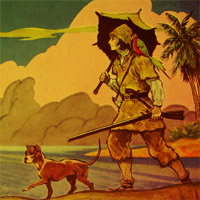
Robinson Crusoe as a young man loved to sail to distant lands. His father did not approve of Robinson as a sailor but let Robinson make his own decisions.
Robinson Crusoe wanted to become a sailor. He went on his first voyage at the age of nineteen. It was a disastrous journey; there was a heavy storm and the ship was wrecked. Robinson survived but did not go home. He went to Brazil. There he became a farmer.
In time, Robinson Crusoe made a lot of money in Brazil. This he re-invested in other businesses.
One day Robinson Crusoe had to go to Africa on business. On the way, there was another storm like the one on his first journey. This time the storm was more fierce; his ship was wrecked and Robinson Crusoe was washed to a lonely, uninhabited island.
Robinson Crusoe explored the island for any sign of human life; there was none. With great difficulty, Robinson built a home. His expertise in farming helped; he started growing rice and barley. For meat, he hunted the wild goats. Robinson Crusoe tamed a few of these goats for milk, from which he learnt to make butter and cheese.
Twenty six years passed in this lonely way for Robinson Crusoe. He craved for company. One day, he saw footprints on the beach; instead of being happy, Robinson was scared having been alone all these years. Robinson had made sharp weapons, which he now carried around for self defence. He also had a gun which he had preserved and kept since the time he was shipwrecked.
For many days Robinson Crusoe saw nobody, but one evening he saw about a dozen men. They were eating other humans. They were cannibals from a nearby island. The cannibals left the island after a few days.
Robinson Crusoe felt safe but he knew the cannibals would come back. One morning Robinson saw the wreck of a ship. He ran to it and saw that it was a Spanish ship and in it was a survivor – a middle aged man.
Robinson Crusoe took the man to his hut, gave him some food and water. Once the man recovered his health, he helped Robinson Crusoe with his work Robinson called the man Friday as he had been rescued on a Friday.
Friday did not know English but as time went by he learnt a few words, enough for basic communication. One morning, Robinson Crusoe found friday missing; he suspected that the cannibals were back and had captured him.
He went in search of Friday and found him just before the cannibals were about to kill him. He rushed into their midst firing at all the cannibals and killing them. Friday was safe.
Robinson Crusoe and Friday found the boat of the cannibals. They decided to sail back to Brazil, where Robinson had left his business. They carried enough food and water and set sail to Brazil. Robinson Crusoe had spent thirty five years in the island.
Robinson and Friday reached Brazil. Robinson Crusoe got several thousand pounds from the trustees of his estate. Friday remained with Robinson Crusoe helping him in his estate.
Robinson Crusoe as a young man loved to sail to distant lands. His father did not approve of Robinson as a sailor but let Robinson make his own decisions.
Robinson Crusoe wanted to become a sailor. He went on his first voyage at the age of nineteen. It was a disastrous journey; there was a heavy storm and the ship was wrecked. Robinson survived but did not go home. He went to Brazil. There he became a farmer.
In time, Robinson Crusoe made a lot of money in Brazil. This he re-invested in other businesses.
One day Robinson Crusoe had to go to Africa on business. On the way, there was another storm like the one on his first journey. This time the storm was more fierce; his ship was wrecked and Robinson Crusoe was washed to a lonely, uninhabited island.
Robinson Crusoe explored the island for any sign of human life; there was none. With great difficulty, Robinson built a home. His expertise in farming helped; he started growing rice and barley. For meat, he hunted the wild goats. Robinson Crusoe tamed a few of these goats for milk, from which he learnt to make butter and cheese.
Twenty six years passed in this lonely way for Robinson Crusoe. He craved for company. One day, he saw footprints on the beach; instead of being happy, Robinson was scared having been alone all these years. Robinson had made sharp weapons, which he now carried around for self defence. He also had a gun which he had preserved and kept since the time he was shipwrecked.
For many days Robinson Crusoe saw nobody, but one evening he saw about a dozen men. They were eating other humans. They were cannibals from a nearby island. The cannibals left the island after a few days.
Robinson Crusoe felt safe but he knew the cannibals would come back. One morning Robinson saw the wreck of a ship. He ran to it and saw that it was a Spanish ship and in it was a survivor – a middle aged man.
Robinson Crusoe took the man to his hut, gave him some food and water. Once the man recovered his health, he helped Robinson Crusoe with his work Robinson called the man Friday as he had been rescued on a Friday.
Friday did not know English but as time went by he learnt a few words, enough for basic communication. One morning, Robinson Crusoe found friday missing; he suspected that the cannibals were back and had captured him.
He went in search of Friday and found him just before the cannibals were about to kill him. He rushed into their midst firing at all the cannibals and killing them. Friday was safe.
Robinson Crusoe and Friday found the boat of the cannibals. They decided to sail back to Brazil, where Robinson had left his business. They carried enough food and water and set sail to Brazil. Robinson Crusoe had spent thirty five years in the island.
Robinson and Friday reached Brazil. Robinson Crusoe got several thousand pounds from the trustees of his estate. Friday remained with Robinson Crusoe helping him in his estate.




 Խորեն Սարգսյանի բլոգ